PhD, (Paleo)Ecology & Environmental Sciences
Benjamin Adroit

Using functional paleoecology, I investigate how plant–insect interactions have driven plant functional diversity and shaped the biogeographic history of forest species, including those inherited from past ecosystems, from deep time to the present.
Growing numbers
a selection of my written work17
peer-review publications
engaging with audiences+20
scientific & public talks
teaching & mentoring+320
hours of teaching
Last publications
-

Litter leaves misrepresent plant–insect interactions in standing vegetation
Adroit, B., Schachat, S. R., Güner, T. H., Orts, J.-P., & Denk, T. 2025.
-
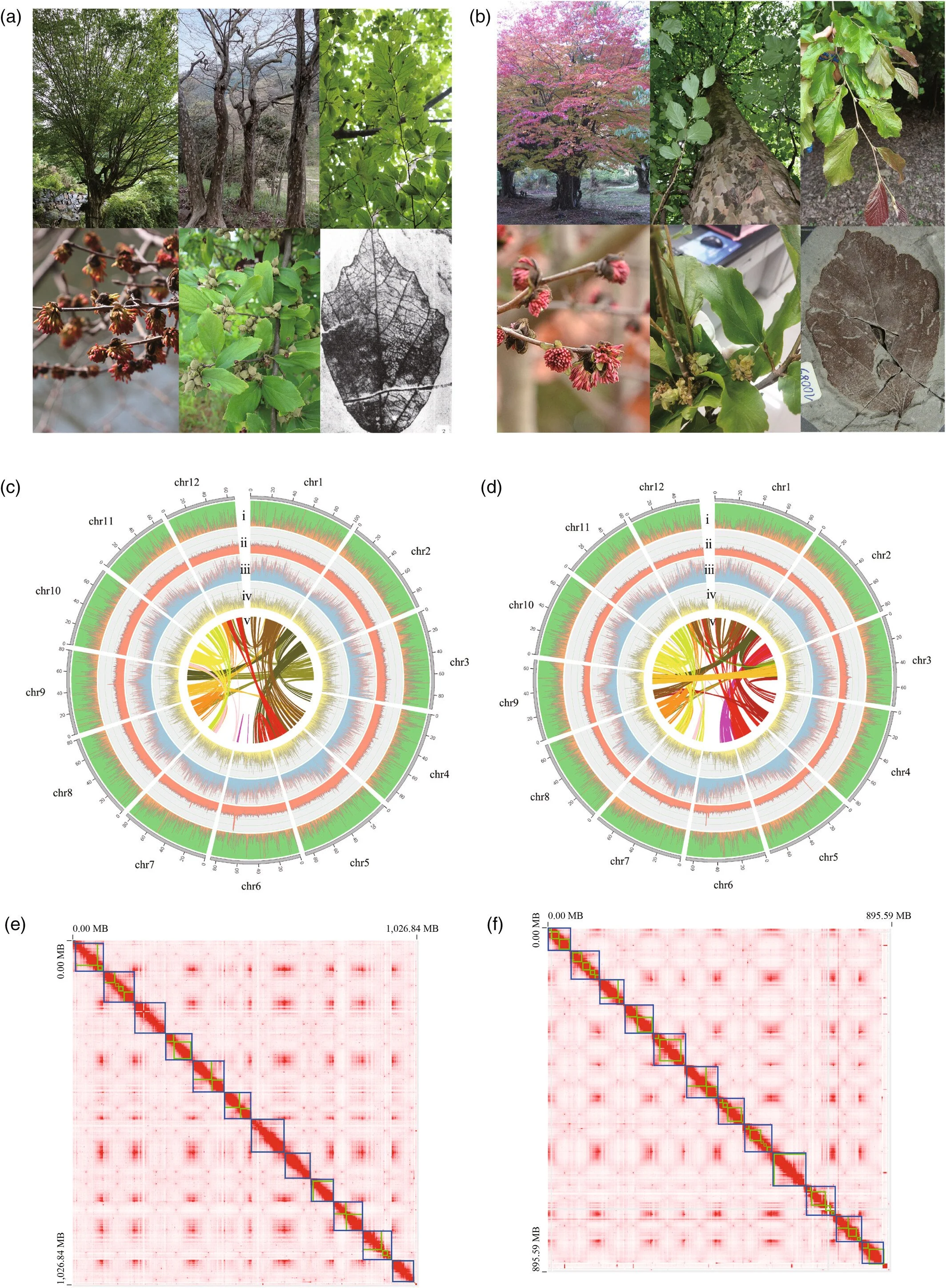
Evolutionary legacy of the “living fossil” genus Parrotia (Hamamelidaceae): genomic insights into species divergence and polygenic adaptation
Zhang, Y., […], Adroit, B., […] Wang, Z., 2025
-

Latest Oligocene (late Chattian) environmental transitions revealed by plant-insect interactions preserved in plant assemblages from Wind Brickyard, Eger, Hungary
Gyökeres, I., Adroit, B., Dávid, Á., 2025
My activities
-
Currently, I am an Assistant Professor at the University of Montpellier. I teach courses in ecology, paleoecology, and plant biology & phylogeny, and I mentor students in their research projects.
I also specialize in the academic use of generative AI, providing training and guidance to both students and faculty on responsible use, workflow integration, and pedagogical innovation..
-
I am an Associate Editor for the journal Frontiers Ecology and Evolution.
-
I host a French-language podcast called "Après la Thèse" (After the PhD). In this podcast, I interview with my colleague Cecile, PhD graduates from various fields to explore the diverse career paths and experiences that follow a doctoral degree.
-
I am a science communicator dedicated to making science accessible and engaging for diverse audiences. I write popular science articles (on Medium) about scientific institutions communication. I also develop and deliver presentations and workshops for local government bodies such as municipalities, regional councils, community groups, focusing on biodiversity and environmental issues.